Building History建物の歴史
A home of their own at 1530 Buchanan Streetブキャナン街1530番地、自分たちの会館
How a branch that began in a Victorian house on Sutter Street raised the money for its own building, what happened to that building in the war, and how it became a Y for the whole neighborhood. Every photo links to the Photo Archive. サター街のビクトリア様式の家で始まった分館が、どのように自前の会館の資金を集めたのか。戦争でその建物に何が起き、どのようにして地域全体のYになったのか。写真を選ぶと写真アーカイブが開きます。
- 1918 · Sutter Street1918 サター街
- 1925–1929 · The building fund1925〜1929 建設資金
- 1930–1936 · Building1930〜1936 建設
- 1940 · The neighborhood1940 まわりの町
- 1942–1947 · The war years1942〜1947 戦争の時代
- 1947 on · A Y for everyone1947〜 だれにも開かれたY
- Later yearsその後
June 1, 19181918年(大正7年)6月1日
A house on Sutter Streetサター街の家
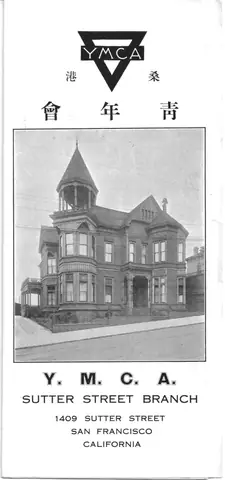
Japanese Christians in San Francisco organized a branch of the YMCA on June 1, 1918. Its first home was a Victorian house at 1409 Sutter Street, pictured on the branch’s brochure, and Kiyoshi Tomizawa became its secretary.1918年6月1日、サンフランシスコの日系キリスト者がYMCAの分館を組織しました。最初の拠点はサター街1409番地のビクトリア様式の家で、分館の案内書の表紙にも描かれています。主事にはキヨシ・トミザワが就きました。
The house served the branch for eighteen years, while its members worked toward something bigger: a modern building of their own, with a gymnasium and a swimming pool.この家は18年間分館を支え、そのあいだ会員たちは、体育館とプールを備えた近代的な自前の会館という大きな目標に向かって歩みました。
1925–19291925〜1929年
Raising the building fund建設資金を集める
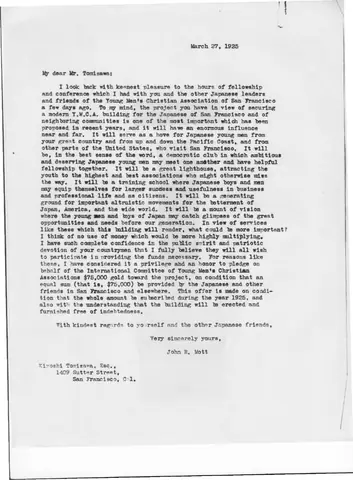
On March 27, 1925, John R. Mott, the leader of the world YMCA movement, promised $75,000 toward a modern building for the Japanese of San Francisco, on condition that an equal amount be raised by the end of 1925. Weeks later John H. McCallum, president of the YMCA of San Francisco, asked Tomizawa to serve on the building committee.1925年3月27日、YMCA世界運動の指導者ジョン・R・モットは、同年末までに同額が集まることを条件に、サンフランシスコの日本人のための近代的な会館へ7万5千ドルを寄付すると約束しました。数週間後、サンフランシスコYMCA会長ジョン・H・マッカラムはトミザワに建設委員を依頼しました。
The deadline passed. In October 1926 the San Francisco directors warned that Mott was being pressed to give his gift elsewhere, and asked Japanese business leaders for $15,000 in pledges within ten days. By May 1927 pledges had reached $18,943.50. In December 1927 a chance meeting with Yasukata Murai of Morimura & Co. brought a $1,000 gift. Tomizawa called it “a little gleam of sunshine.”期限は過ぎました。1926年10月、サンフランシスコの理事たちは、モットが寄付を他へ回すよう迫られていると伝え、日系の実業家に10日以内に1万5千ドルの寄付の約束を求めました。1927年5月には約束額が1万8,943ドル50セントに達し、同年12月には森村組のムライ・ヤスカタ氏との偶然の出会いから千ドルの寄付が決まりました。トミザワはそれを「一筋の光」と呼びました。
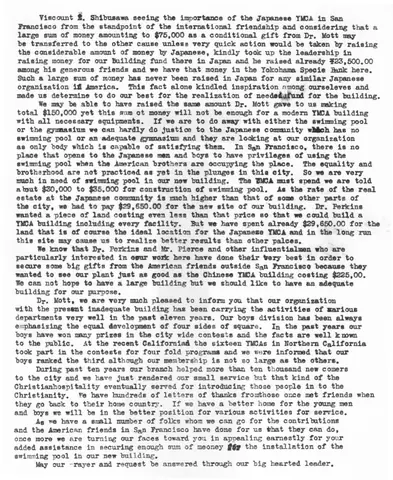
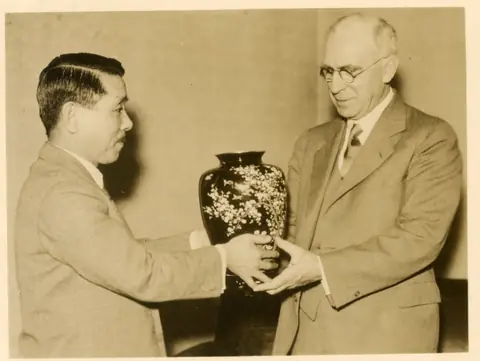
In 1928 Tomizawa travelled to Japan to raise money. There Viscount Shibusawa took up the cause and gathered ¥23,500 “among his generous friends”, more, Tomizawa wrote, than had ever been raised in Japan for a Japanese organization in America. The land cost $29,650.1928年、トミザワは募金のため日本へ渡りました。渋沢子爵がこの運動の先頭に立ち、「寛大な友人たちの間で」2万3,500円を集めました。トミザワによれば、在米日本人団体のために日本でこれほどの額が集まったことはありませんでした。土地の代金は2万9,650ドルでした。
In a 1929 appeal to Mott, Tomizawa listed what had held them back: the Immigration Act of 1924, hard times in Japanese communities, the small number of Japanese Christians, and opposition from some influential Japanese. He also explained why a pool mattered:1929年のモットへの訴えで、トミザワは資金集めを阻んだものを挙げました。1924年の移民法、日系社会の不況、日本人キリスト者の少なさ、一部の有力な日本人の反対。そして、なぜプールが必要なのかを説明しています。
“The equality and brotherhood are not practiced as yet in the plunges in this city.”「この町のプールでは、平等と兄弟愛はまだ実践されていないのです。」Kiyoshi Tomizawa, 1929キヨシ・トミザワ、1929年
On December 16, 1929, the directors approved the project: the old lot at 1409 Sutter Street would go toward the builder’s payment, Frederick H. Meyer would be the architect, and the old buildings on the Buchanan Street property would be torn down.1929年12月16日、理事会は計画を承認しました。サター街1409番地の旧敷地を建設費の一部にあて、建築家はフレデリック・H・マイヤー、ブキャナン街の敷地の古い建物は取り壊すことになりました。
1930–19361930〜1936年
Building at 1530 Buchanan Streetブキャナン街1530番地に建てる
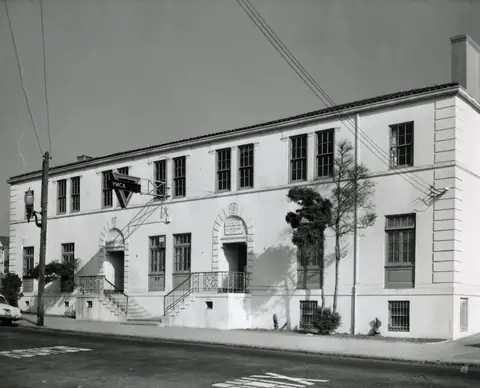
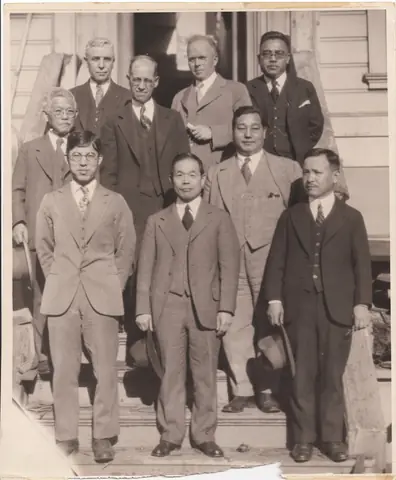
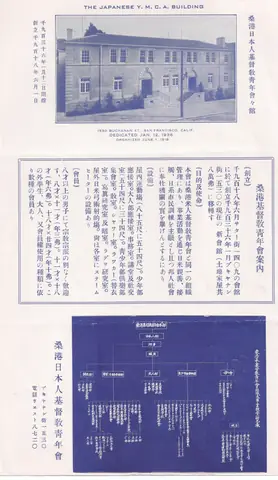
On March 25, 1930, American and Japanese committee members posed on the steps of one of the old buildings on the site, just before it was torn down. Building took years more. The new Japanese Y.M.C.A. was dedicated on January 12, 1936.1930年3月25日、日米の委員が、取り壊し直前の敷地の古い建物の階段で記念撮影をしました。建設にはさらに年月がかかり、新しい日本人YMCA会館は1936年1月12日に開館しました。
The two-story building had an 85-by-54-foot gymnasium, clubrooms, a photo darkroom, a radio room and an outdoor archery range. Its Japanese dedication flier lists the rooms and the association’s committees.2階建ての会館には、85×54フィートの体育館、クラブ室、写真暗室、ラジオ研究室、屋外の弓術場がありました。日本語の開館案内には、館内の部屋と会の組織が記されています。
19401940年
The neighborhood around the YYのまわりの町
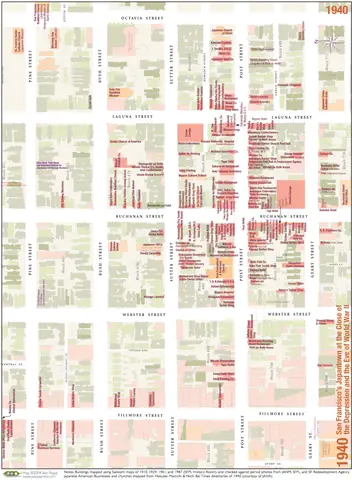
By 1940 the Y stood in the middle of a busy Japantown of shops, churches, hotels and offices. Ben Pease’s map rebuilds the neighborhood block by block from Sanborn maps and the Japanese-language directories of the time.1940年、Yは商店や教会、旅館、事務所が並ぶにぎやかな日本町の真ん中にありました。ベン・ピースの地図は、サンボーン地図と当時の日本語の住所録から、町を街区ごとに再現しています。
1942–19471942〜1947年
Civil Control Station, then the USO民間統制所、そしてUSOへ
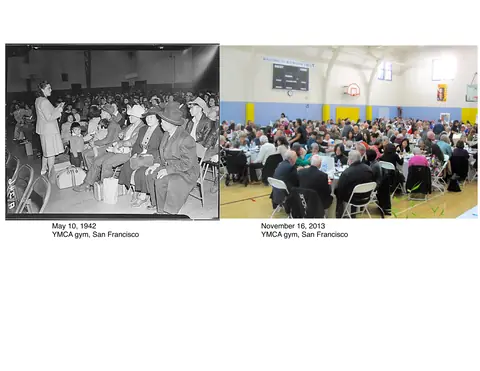
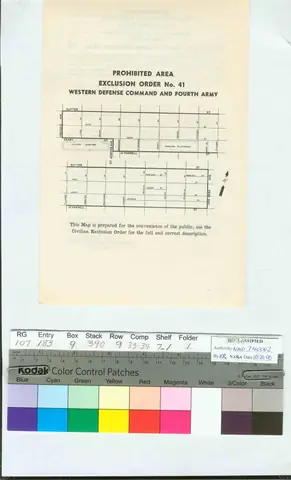
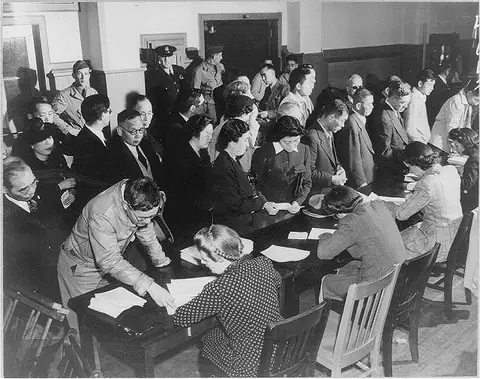
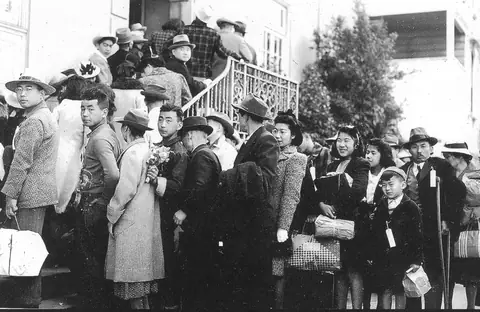
In May 1942, Civilian Exclusion Order No. 41 turned the building into the Civil Control Station for more than 40 blocks of Japantown. Families registered in the Y on May 6 and 7, received family numbers and luggage tags, and on May 10 left from its door for the Tanforan Assembly Center.1942年5月、民間人立ち退き命令第41号により、会館は日本町40余区画の民間統制所となりました。家族は5月6日と7日にYで登録して家族番号と荷札を受け取り、5月10日、その玄関からタンフォラン集合所へ向かいました。
For the rest of the war the building was turned over to the USO, which served soldiers and sailors. It came back to the Y in the spring of 1947.戦争の残りの期間、建物は兵士や水兵をもてなすUSOに引き渡され、1947年春にYへ戻りました。
1947 on1947年以降
One building, a Y for everyone一つの建物、だれにも開かれたY
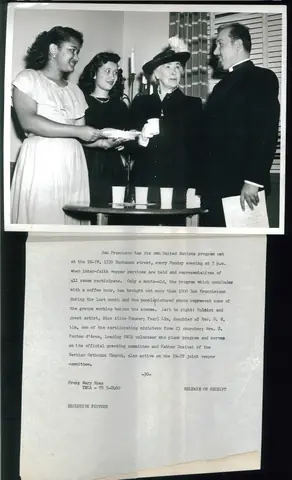
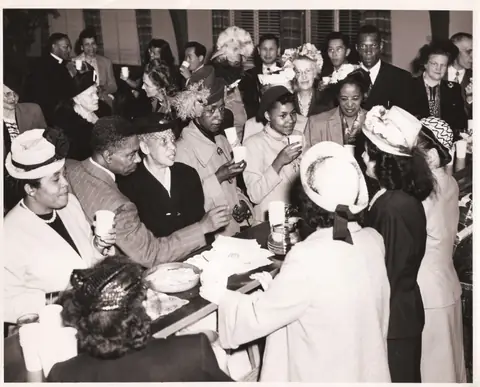
After the war the building became the Buchanan Street YMCA and YWCA, run by one managing board. In 1951 Tomizawa described it to Mott as “a real interracial organization”, with Japanese, Black and other members, “at the same building which was originally built for the Japanese people only.”戦後、建物は一つの理事会が運営するブキャナン街YMCA・YWCAとなりました。1951年、トミザワはモットに、日系、黒人、その他の会員がいる「真の多人種の団体」が「もとは日本人だけのために建てられた同じ建物」で生まれたと書き送っています。
The building hosted dances, club meetings, basketball, and Sunday evening inter-faith services that drew more than 1,000 San Franciscans in their first month.会館ではダンスやクラブの集まり、バスケットボール、そして最初の1か月で1,000人以上が集まった日曜夜の宗派を超えた礼拝が開かれました。
Later yearsその後
Changing with the neighborhood町とともに変わる
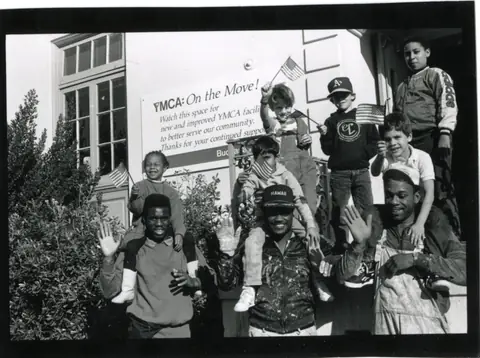
Photos from later decades show the same arched doorways and “YMCA” sign facing Buchanan Street. In the 1980s a sign outside promised “new and improved YMCA facilities to better serve our community.”後の時代の写真にも、ブキャナン街に面した同じアーチ形の入口と「YMCA」の看板が写っています。1980年代には、外の看板が「地域のための新しく改良されたYMCAの施設」を約束しました。
On November 16, 2013, the gym where families had waited with their luggage in 1942 was filled again, this time with dinner tables.2013年11月16日、1942年に家族が荷物を手に待たされた体育館が、今度は食卓でいっぱいになりました。